GEOTECHNICAL ENGINEERING
EUGENE OREGON

Geotechnical Engineering in Eugene Oregon

Geotechnical engineering with regional judgment.

LEARN MORE

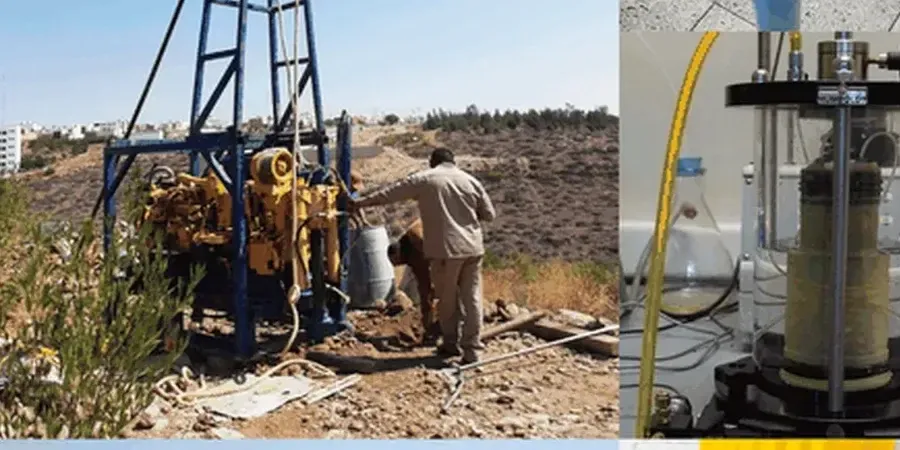
In Eugene, the biggest surprise for new developers is often what lies just a few feet down. The Willamette River has spent millennia laying down complex sequences of silt, sand, and gravel. You can have firm ground on one side of a lot and soft, compressible soils on the other. That variability makes a standard soil mechanics study more than a formality. We use it to map the subsurface profile and define the engineering parameters your design actually needs. Combining field data from test pits with lab index testing gives us a clear picture of the native material. When the site sits near the river or in the older floodplain, we often recommend a CPT test to get a continuous profile of the silty layers without disturbing them. Our team has worked from the Whiteaker neighborhood up to the South Hills, adapting the investigation to each unique soil profile.

A soil mechanics study in Eugene is about managing the variability of Willamette Valley alluvium — one borehole can show clean gravel while the next hits ten feet of soft silt.
Geotechnical Engineering in Eugene Oregon
Technical reference — Eugene Oregon

Our service areas

Local geology


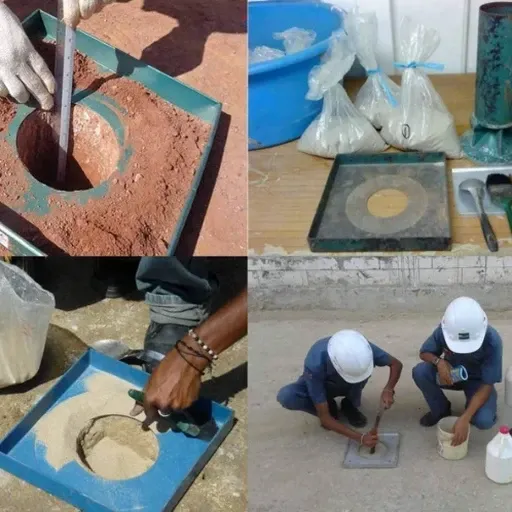
Every project in Eugene falls under the Oregon Structural Specialty Code, which adopts IBC Chapter 18 for soils and foundations. The city’s building department expects a soil mechanics study that follows ASTM D2487 for soil classification and ASTM D1586 for penetration resistance. We sample the subsurface at the depths your foundation will actually load. Lab testing then determines gradation, plasticity, and moisture-density relationships. In our experience, the biggest local variable is the water table. It can be shallow across much of the valley floor and fluctuates dramatically with the rainy season. That impacts effective stress and settlement calculations directly. We run one-dimensional consolidation tests on the silty clays to quantify expected settlement. For sites with thicker clay lenses, we evaluate shear strength parameters using triaxial compression. Each report includes allowable bearing pressure, anticipated total and differential settlement, and lateral earth pressures if retaining structures are part of the scope.

Standards used

ASTM D1586-18 (Standard Penetration Test), ASTM D2487-17e1 (Unified Soil Classification System), ASTM D2435/D2435M-11(2020) (One-Dimensional Consolidation), ASTM D4767-11(2020) (Consolidated Undrained Triaxial Compression), IBC 2021 Chapter 18 (Soils and Foundations), ASCE 7-22 (Minimum Design Loads — Seismic)

Need a geotechnical assessment?

Reply within 24h.

Email: contact@geotechnicalengineering1.com

Why choose us

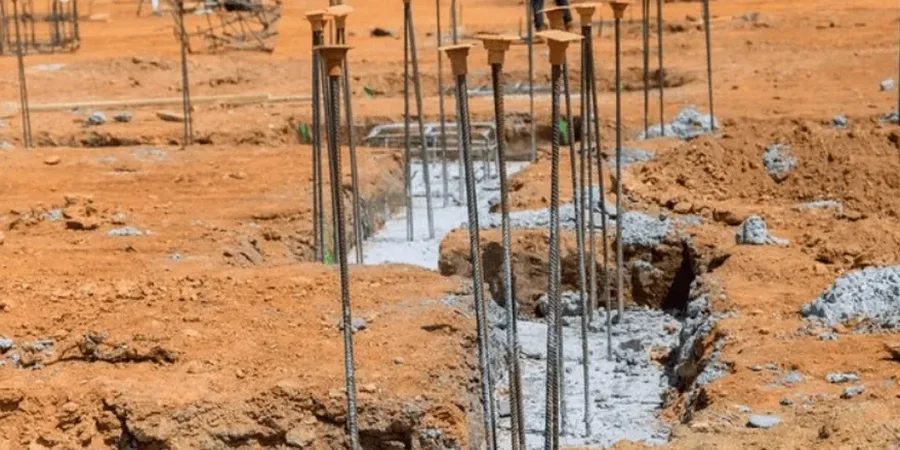
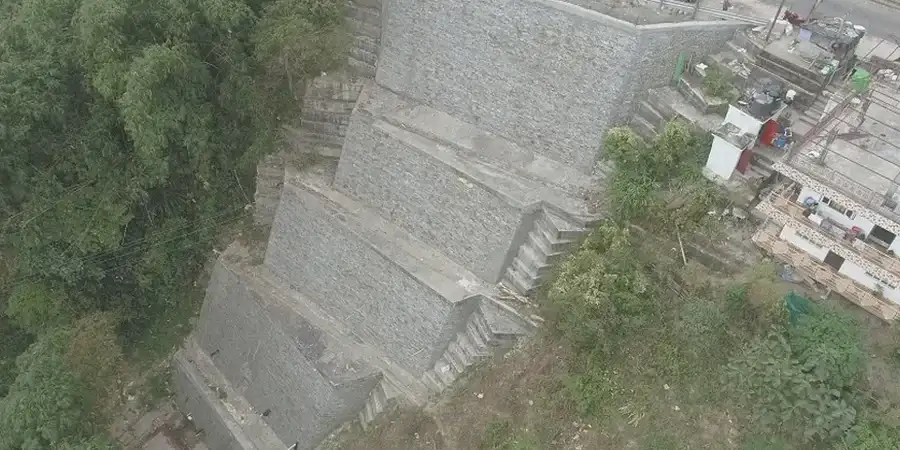
The contrast between Eugene’s South Hills and the flatlands north of the Willamette is stark. In the hills, we deal with residual soils and weathered bedrock — generally competent but prone to slope creep on steeper grades. Down in the valley, the challenge shifts to thick alluvial deposits with high silt content. These silts can be sensitive to disturbance and lose strength when saturated. We have seen foundations in the Bethel area require over-excavation and structural fill to manage settlement on the underlying clay lenses. Liquefaction is a real concern here too. The Oregon Department of Geology and Mineral Industries maps much of Eugene’s urban core as having moderate to high liquefaction susceptibility. A proper soil mechanics study evaluates the cyclic stress ratio and the fines content to determine whether Improvement is needed before construction begins.

Reference parameters

ParameterTypical value
Standard Penetration Resistance (N-value)Measured per ASTM D1586, corrected for overburden and energy
Soil Classification (USCS)Classified per ASTM D2487; typical units include ML, SM, GP-GM
Moisture ContentASTM D2216; natural moisture vs. plastic limit
Atterberg LimitsASTM D4318; liquid limit, plastic limit, plasticity index
Grain Size DistributionASTM D6913/D7928; sieve and hydrometer analysis
Consolidation ParametersASTM D2435; Cc, Cr, preconsolidation pressure
Triaxial Shear StrengthASTM D4767; effective stress cohesion and friction angle
Groundwater LevelMonitored during drilling and over 24-hour stabilization period

Common questions

What does a soil mechanics study in Eugene include?

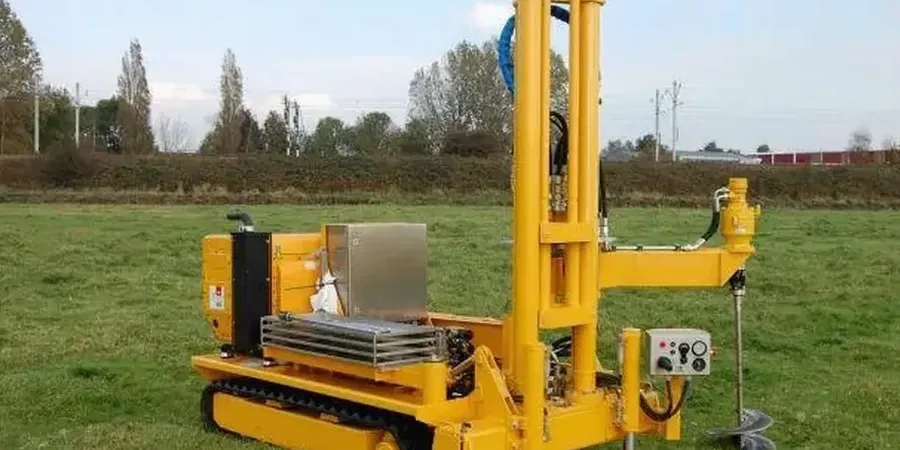
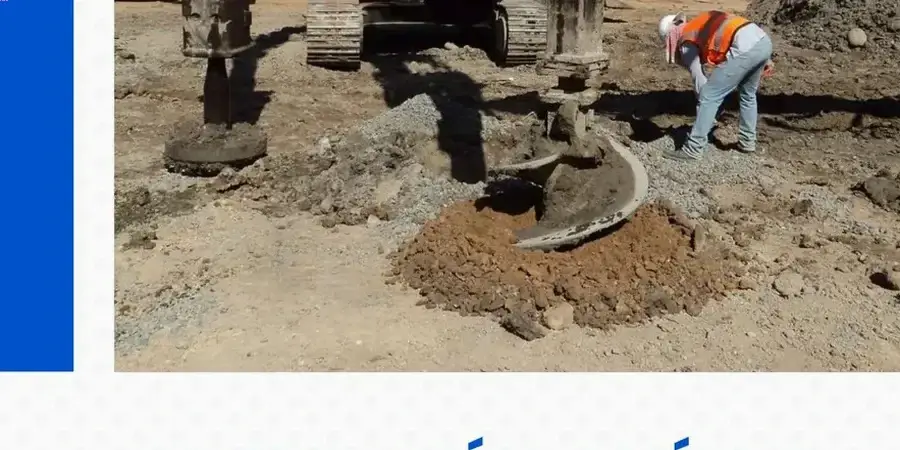
It starts with subsurface exploration — typically hollow-stem auger borings or test pits on your lot. We log the soil profile, collect representative samples, and run lab tests for classification, strength, and consolidation. The final report covers bearing capacity, settlement, seismic site class, and recommendations for foundation design.

How much does a soil mechanics study cost for a residential lot in Eugene?

For a standard single-family lot, the cost typically ranges from US$3,430 to US$5,800. The exact price depends on the number of borings, depth required, and the lab testing program. We provide a fixed-fee proposal after reviewing your site address and project plans.

How deep do you drill the borings for the study?

We follow IBC guidelines. Typically, borings extend to a depth where the added stress from the foundation is less than 10% of the existing overburden pressure. In Eugene's alluvial soils, that often means 20 to 30 feet for a two-story structure, going deeper if we encounter soft clay layers.

Location and service area

We serve projects across Eugene Oregon and surrounding areas.

View larger map