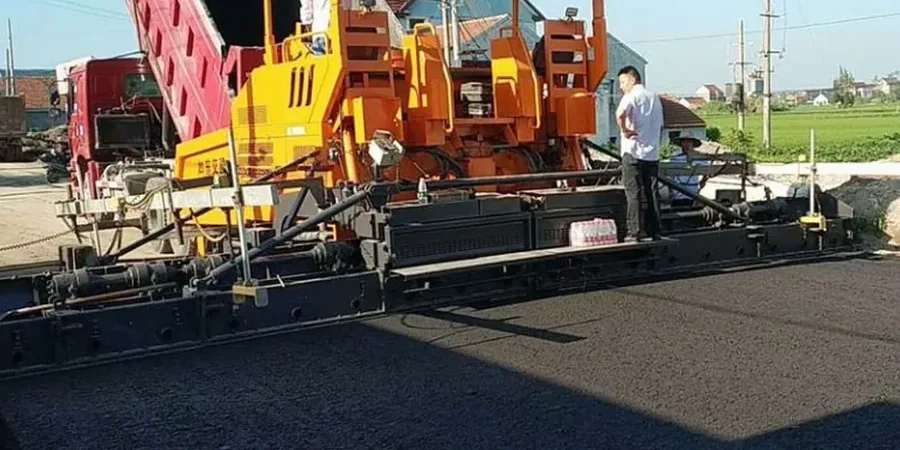
Roadway engineering in Eugene, Oregon, encompasses the comprehensive planning, design, and structural evaluation of pavements that form the backbone of the city's transportation network. This category covers everything from subgrade analysis to surface material selection, ensuring that roads can withstand the region's unique environmental demands while providing safe, durable, and cost-effective infrastructure. In a city known for its wet winters, active cycling culture, and steady urban growth, proper roadway design is not just a technical necessity—it is a critical investment in public safety, economic vitality, and long-term resilience. Whether supporting freight corridors along Interstate 5, residential streets in the Whiteaker neighborhood, or multi-use paths along the Willamette River, geotechnical expertise in roadway systems directly shapes Eugene's livability.
Eugene sits in the southern Willamette Valley, where the geology is dominated by alluvial deposits, silts, and clay-rich soils that pose significant challenges for pavement performance. The area's high seasonal precipitation—averaging over 46 inches annually—combined with fine-grained soils often leads to poor drainage, frost heave, and subgrade saturation. These conditions demand thorough geotechnical investigation, including CBR study for road design to assess the California Bearing Ratio of native soils and determine the necessary structural layers above weak subgrades. Without such studies, pavements are prone to rutting, cracking, and premature failure, especially in low-lying areas like the Bethel-Danebo region where groundwater tables remain high throughout winter and spring.
All roadway projects in Eugene must comply with local, state, and federal standards that govern materials, structural thickness, and construction practices. The City of Eugene Public Works Engineering Design Standards incorporate elements of the Oregon Department of Transportation (ODOT) Standard Specifications for Construction, which align with AASHTO guidelines for pavement design. For flexible pavements, the 1993 AASHTO Design Guide remains a common reference, requiring engineers to account for traffic loads, environmental factors, and material properties over a 20- to 30-year design life. Flexible pavement design typically involves hot-mix asphalt over granular base courses, with thicknesses calibrated to local soil conditions. Meanwhile, Rigid pavement design using Portland cement concrete is often specified for high-traffic intersections and bus rapid transit corridors, where durability and reduced maintenance offset higher initial costs. Both approaches must integrate proper drainage systems to comply with Eugene's stormwater management requirements under the Clean Water Act.
The types of projects that demand professional roadway geotechnical operations in Eugene span public infrastructure, commercial development, and institutional campuses. Municipal arterial and collector street rehabilitations, such as those along Coburg Road or Willamette Street, require full-depth reclamation or overlay designs informed by falling weight deflectometer testing and soil borings. New subdivisions in growing areas like the Santa Clara or Churchill regions need comprehensive pavement designs to meet city approval, while industrial parks and logistics centers rely on heavy-duty pavements engineered for repeated truck loading. Even university campuses and hospital complexes require specialized pavement solutions that balance pedestrian safety, accessibility, and emergency vehicle access. In each case, the integration of geotechnical data with structural design ensures that pavements perform reliably under Eugene's specific climatic and loading conditions, minimizing life-cycle costs and environmental impact.
Roadway design in Eugene is primarily influenced by the region's wet climate, fine-grained alluvial soils, and high groundwater levels. Traffic loading, anticipated service life, and drainage requirements also play critical roles. Engineers must balance structural capacity with environmental regulations, using geotechnical data to select appropriate pavement types and thicknesses that prevent premature failures like rutting or cracking under local conditions.
The silty and clay-rich soils common in the Willamette Valley have low bearing capacity when saturated, leading to subgrade deformation under traffic loads. These fine-grained soils also retain moisture, increasing the risk of frost heave and seasonal volume changes. Proper soil classification and CBR testing are essential to design adequate base and subbase layers that distribute loads and protect the pavement structure from moisture-related distress.
Eugene roadway projects follow the City of Eugene Public Works Engineering Design Standards, which reference ODOT Standard Specifications and AASHTO guidelines. These regulations cover pavement structural design, material quality, drainage, and accessibility. Compliance ensures that roads meet safety and performance benchmarks while aligning with state and federal requirements, including stormwater management under the Clean Water Act.
Rigid pavement is typically chosen for high-traffic areas, intersections, or transit routes where long-term durability and reduced maintenance are priorities. It resists deformation under heavy, repeated loads and performs well in wet conditions when properly drained. Although initial construction costs are higher, rigid pavement often proves more economical over its service life in applications like bus lanes or industrial access roads.
We serve projects across Eugene Oregon and surrounding areas.