GEOTECHNICAL ENGINEERING
EUGENE OREGON
HomeFoundationsPile foundation design

Pile Foundation Design for Eugene Oregon Site Conditions

Geotechnical engineering with regional judgment.

LEARN MORE

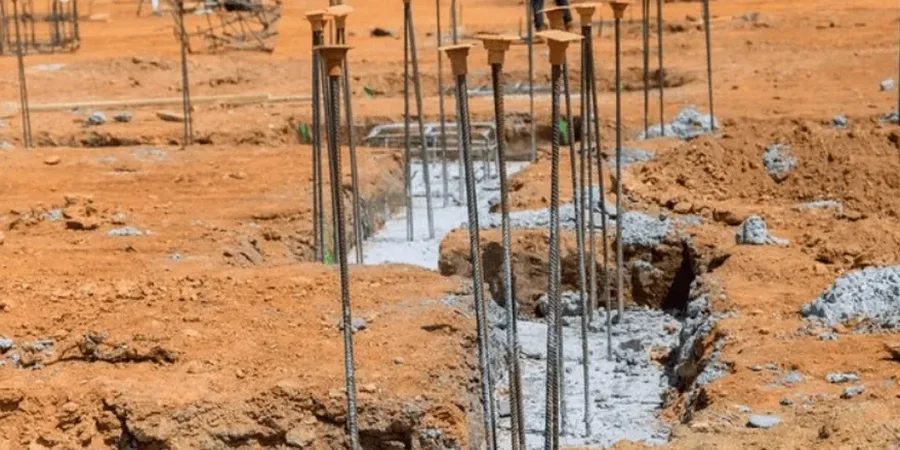
A mixed-use project on Franklin Boulevard hit refusal at 12 feet during preliminary borings. The upper layer was stiff silt, but below that lay loose, saturated gravels typical of the Willamette River floodplain. Shallow footings were out of the question. The structural engineer needed a reliable deep foundation system that could handle both settlement concerns and seismic demand. In Eugene, this scenario repeats itself constantly. The valley floor conceals layered alluvium that challenges conventional spread footings. Our pile foundation design work starts with a detailed subsurface model. We correlate SPT data from spt-drilling with laboratory index tests to define pile skin friction and end bearing. For sites near the river where gravels dominate, we often run cpt-test to get continuous tip resistance profiles without sample disturbance.

Loose saturated gravels and high seismic hazard in the Willamette Valley demand pile designs that account for both liquefaction-induced downdrag and lateral spreading.
Our service areas

Scope of work

Eugene sits in a high-rainfall zone with a shallow groundwater table that fluctuates seasonally. The wet winters saturate the upper silts, reducing effective stress and complicating pile installation. Drilled shafts need temporary casing through the collapse-prone zones. Driven piles must account for reduced driving resistance in saturated fine-grained soils. Our design approach follows IBC Chapter 18 and FHWA drilled shaft guidelines. We calculate axial capacity using both beta and alpha methods, cross-checked against load test data from previous Willamette Valley projects. Lateral response gets special attention here. The site class D and E profiles common in Eugene amplify ground motion, so we run LPILE or GROUP analyses to confirm pile head deflections stay within structural tolerances. The design package includes construction specifications for pile type, driving criteria, and quality control testing per ASTM D3966.
Pile Foundation Design for Eugene Oregon Site Conditions
Technical reference — Eugene Oregon

Area-specific notes

The primary geotechnical risk in Eugene is liquefaction-induced loss of lateral support and downdrag on pile shafts. The USGS hazard maps place much of the city in a moderate-to-high liquefaction susceptibility zone, particularly along the Willamette River corridor and the Amazon Creek basin. During a Cascadia subduction event, saturated loose sands and silts can lose strength, imposing negative skin friction loads that exceed the pile structural capacity if not explicitly designed for. We quantify this using the NCEER SPT-based procedure and CPT-based methods from Robertson and Wride. A second concern is lateral spreading near creek banks and riverfront areas. Piles in these zones must resist bending from moving soil mass. We specify reinforced upper sections and deeper embedment into competent bearing strata to handle these demands.

Need a geotechnical assessment?

Reply within 24h.

Email: contact@geotechnicalengineering1.com

Standards used


IBC 2021 (International Building Code), ASCE 7-22 Minimum Design Loads for Buildings and Other Structures, ASTM D1586-18 Standard Test Method for SPT, ASTM D3966-22 Standard Test Methods for Deep Foundation Elements Testing, FHWA-NHI-16-010 Drilled Shafts: Construction Procedures and Design Methods

Reference parameters

ParameterTypical value
Design standardIBC 2021 / ASCE 7-22 Section 12
Pile types designedDriven H-pile, pipe pile, drilled shaft, micropile
Axial capacity methodFHWA beta method, α-method for cohesive layers
Lateral analysis toolLPILE, GROUP (Ensoft)
Soil parameters inputUndrained shear strength, φ', N60, CPT tip resistance
Seismic considerationsLiquefaction downdrag, kinematic interaction, p-multipliers
Load testing standardASTM D3966 (lateral), ASTM D1143 (axial compression)
Typical depth range25 to 85 feet below grade

Common questions


What's the typical cost range for a pile foundation design package in Eugene?

For a standard commercial building, the pile foundation design package typically runs between US$1,830 and US$6,540 depending on the number of piles, the complexity of the soil profile, and whether load testing is required. Projects with liquefaction analysis or lateral spreading assessment fall toward the upper end.

How do you determine pile length when refusal is shallow?

Shallow refusal does not mean adequate bearing. We check the thickness and quality of the bearing layer using SPT refusal criteria and CPT tip resistance. If a thin dense layer overlies weaker material, we punch through it or design a friction pile that develops capacity in the deeper competent stratum.

Does Eugene's groundwater level affect pile performance?

Yes, significantly. The high groundwater table reduces effective stress in the soil, which lowers skin friction in granular layers. It also complicates construction: drilled shafts need casing, and driven piles in saturated silts can experience setup effects. Our designs account for buoyant unit weights and construction-phase pore pressure conditions.

Location and service area

We serve projects across Eugene Oregon and surrounding areas.

View larger map