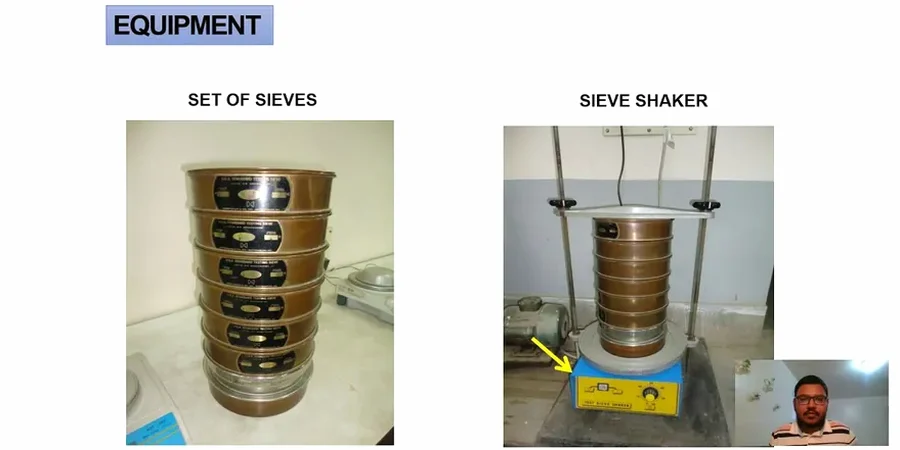
A recent mixed-use project in the Whiteaker neighborhood hit a lens of silty clay at 6 feet that nobody expected. The contractor had assumed clean alluvium based on a few shallow test pits. It took a full grain size analysis with hydrometer to confirm the fine fraction was above 40 percent, which changed the foundation drain design and the compaction spec. In Eugene, where the Willamette River has been rewriting the subsurface for millennia, soil gradation can shift dramatically within a single city block. Our team runs sieve stacks from 3-inch down to No. 200 and then hydrometer readings when fines exceed 12 percent, giving you a complete particle-size distribution curve that actually means something for your footings or pavement subgrade.
A gradation curve without hydrometer data below the No. 200 sieve is just half the story in Eugene's silty floodplain soils.