Excavation in Eugene, Oregon, encompasses far more than simply moving earth. It represents a critical, highly specialized discipline of geotechnical engineering that underpins the safety, stability, and success of every construction project below the natural ground surface. From utility trenches and building basements to complex underground infrastructure, the category covers the full lifecycle of subsurface disturbance: initial site characterization, structural design of support systems, construction execution, and long-term performance monitoring. In a city situated within the geologically dynamic Willamette Valley, understanding local soil behavior is not just a best practice—it is an absolute necessity to prevent catastrophic collapses, protect adjacent structures, and manage groundwater intrusion effectively.
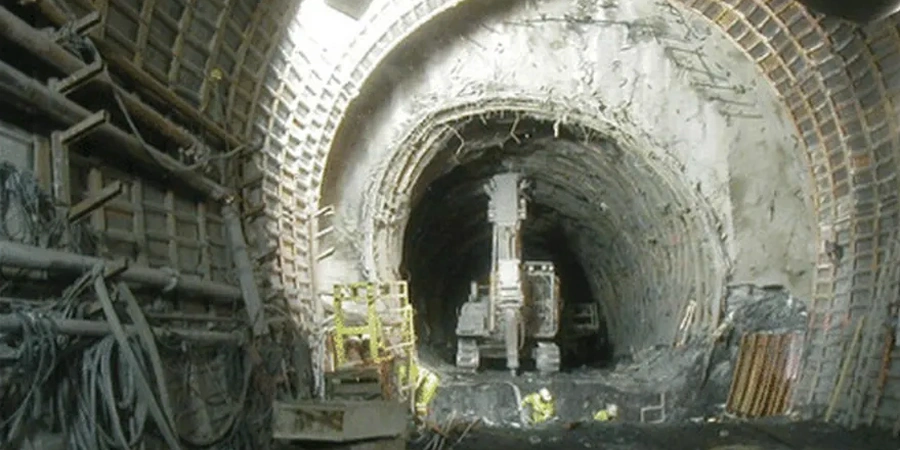
The local geology of Eugene presents a unique set of challenges that directly dictate excavation methodologies. Much of the urban core and surrounding areas are underlain by the Willamette Silt, a glacially derived, low-permeability soil that is notoriously sensitive to moisture changes and prone to slope instability when unsupported. Beneath this, alluvial gravels and clays create highly variable stratigraphy with confined aquifer potential, demanding rigorous dewatering plans. For deeper projects, particularly those involving soft ground tunneling, specialized expertise is required. Our approach to geotechnical analysis for soft soil tunnels addresses the significant face stability and settlement risks inherent in these fine-grained deposits, ensuring that underground passages can be advanced safely beneath Eugene's infrastructure.
Navigating the regulatory framework is a fundamental component of any excavation project in Oregon. The Oregon Occupational Safety and Health Administration (Oregon OSHA) mandates strict adherence to excavation and trenching safety standards under Division 2, Subdivision P, which classifies soil types and prescribes protective systems to prevent cave-ins. Beyond worker safety, the City of Eugene's building codes and public works standards enforce stringent requirements for shoring, right-of-way management, and stormwater erosion control during construction. Compliance with these local amendments, alongside the International Building Code (IBC), requires a design team capable of producing sealed engineering plans. Our expertise in the geotechnical design of deep excavations ensures that support systems like soldier pile walls, tiebacks, and soil nailing are not only structurally sound but also fully compliant with all municipal and state regulations.
The types of projects in Eugene that demand comprehensive excavation engineering are diverse and expanding with the city's growth. High-density, mixed-use developments with multi-level underground parking require deep, braced excavations often extending below the water table. Municipal utility upgrades, including large-diameter sewer and stormwater interceptor installations, present significant trench safety and settlement concerns in established neighborhoods. Furthermore, critical infrastructure projects like the Eugene-Springfield area's water supply and transit tunnels necessitate a continuous feedback loop between construction and engineering. This is where real-time geotechnical excavation monitoring becomes indispensable, utilizing inclinometers, piezometers, and vibration sensors to validate design assumptions and trigger proactive mitigation, protecting both workers and the public.
The dominant risk is the instability of Willamette Silt, which loses strength rapidly when saturated, leading to sloughing and cave-ins. Other hazards include encountering unexpected alluvial gravels with high groundwater flow, requiring complex dewatering, and the potential for settlement damage to adjacent structures due to vibration or soil relaxation during deep cuts.
A major excavation project generally requires a City of Eugene building permit based on sealed engineering plans, a right-of-way permit if work extends into the street or sidewalk, and an erosion control permit to manage sediment discharge. Compliance with Oregon OSHA trench safety rules is mandatory, and a National Pollutant Discharge Elimination System (NPDES) 1200-C permit may be needed for dewatering discharge.
Under Oregon OSHA rules, any excavation 5 feet or deeper requires a protective system designed by a competent person, unless it is made entirely in stable rock. For excavations less than 5 feet deep, a protective system is still required if a competent person identifies any indication of a potential cave-in, such as tension cracks or sloughing.
An open-cut excavation uses sloped or benched sidewalls cut back to a safe angle to prevent collapse, requiring significant space and soil stability. A supported excavation uses a structural shoring system, such as soldier piles and lagging or sheet piles, to retain vertical or near-vertical soil faces. Supported excavations are essential in urban Eugene where space is limited or deep cuts are required near existing structures.
We serve projects across Eugene Oregon and surrounding areas.