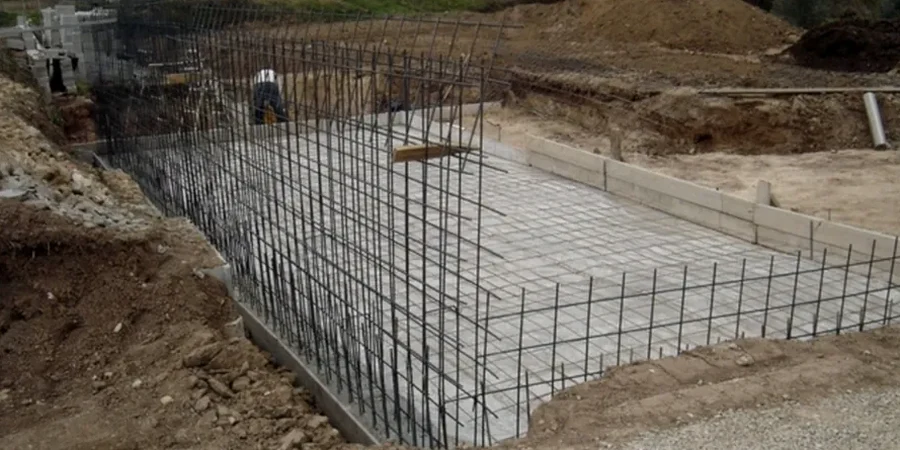
Foundations are the critical structural interface between any building and the ground beneath it, responsible for transferring all loads safely into the earth. In Eugene, Oregon, the importance of robust foundation engineering cannot be overstated, given the region's dynamic geological profile and strict seismic design requirements. A well-designed foundation does more than just hold a structure upright; it mitigates settlement, resists lateral soil pressures, and protects against moisture intrusion, all of which are persistent challenges in the damp Pacific Northwest climate. From modest residential additions to complex commercial developments, the longevity and safety of every project depend on a thorough geotechnical investigation and a carefully tailored foundation solution that respects local soil behavior and regulatory mandates.
Eugene sits within the Willamette Valley, an area shaped by millennia of sedimentary deposition from the Willamette and McKenzie Rivers, combined with cataclysmic Missoula Floods that left deep, layered deposits of silt, sand, and gravel. These alluvial soils can vary dramatically over short distances, often interbedded with lenses of soft clay or loose, liquefiable sands that pose significant risks during seismic events. High groundwater tables are common, especially in the flatlands near the rivers, leading to buoyancy concerns and complicating excavation. The foothills and the South Hills area present a different challenge with weathered residual soils overlying basalt bedrock, where shallow foundations may encounter refusal or require rock sockets. Understanding this complex subsurface mosaic is the first step in selecting between conventional spread footings and deep foundation systems, and it underscores why site-specific geotechnical boring programs are mandated before design can proceed.
Foundation design and construction in Oregon are governed by the Oregon Structural Specialty Code (OSSC), which adopts and amends the International Building Code (IBC) with state-specific seismic provisions. Given Eugene's proximity to the Cascadia Subduction Zone, the OSSC enforces rigorous seismic design categories that directly influence foundation detailing, requiring engineers to account for liquefaction potential, cyclic softening of clays, and amplified ground shaking. The Oregon Department of Geology and Mineral Industries (DOGAMI) provides essential hazard maps that inform these designs, and local Eugene building permits demand compliance with these maps as well as the City's erosion control and stormwater management codes. For deep foundations, the American Society of Civil Engineers (ASCE) 7 standard for minimum design loads and the International Association of Foundation Drilling (ADSC) specifications are industry benchmarks referenced throughout the permitting process.
The range of projects requiring specialized foundation engineering in Eugene is broad. Multistory mixed-use buildings in the downtown core frequently rely on pile foundation design to bypass weak near-surface soils and bear on competent strata, while also resisting overturning forces during an earthquake. Hillside custom homes often need drilled or pin piles to stabilize against slope creep and meet stringent setbacks. Critical infrastructure like bridges, water tanks, and medical facilities demand foundation systems that meet essential facility performance objectives, remaining operational after a major seismic event. Even lighter structures, such as solar array fields or retaining walls, trigger foundation considerations related to frost heave, expansive soils, and drainage that require professional analysis to avoid costly failures.
Common indicators include diagonal cracks radiating from window or door corners, sticking doors and windows, sloping or uneven floors, and visible gaps in baseboards or exterior brickwork. In Eugene's wet climate, persistent water in crawlspaces or efflorescence on concrete walls can signal drainage-related foundation movement. Exterior signs like stair-step cracks in foundation walls or a leaning chimney warrant immediate geotechnical evaluation to determine if soil settlement, expansive clay heave, or slope creep is the cause.
Eugene's seismic hazard, driven by the Cascadia Subduction Zone, requires foundations designed for strong ground shaking and potential liquefaction. The Oregon Structural Specialty Code often mandates deep foundations like driven piles or drilled shafts for structures on loose sandy soils to prevent differential settlement. Even shallow foundations must have robust reinforcement and positive connections to the superstructure to resist lateral and uplift forces, per ASCE 7 and OSSC provisions for Seismic Design Category D or higher.
Deep pile foundations become necessary when near-surface soils are weak, compressible, or liquefiable, which is common in Eugene's riverine alluvial plains. High groundwater tables also reduce the bearing capacity of shallow footings, requiring piles to transfer loads to deeper, competent strata. Sites with thick layers of soft organic silt or loose sand, particularly in the floodplains of the Willamette and McKenzie Rivers, typically rely on piles to achieve required safety factors against both static settlement and seismic performance.
The process starts with a geotechnical investigation including subsurface borings to map soil layers and groundwater depth. Laboratory testing determines strength, compressibility, and chemical properties. The engineer then evaluates foundation alternatives—comparing shallow versus deep systems—against structural loads and OSSC requirements. A foundation report is prepared with specific recommendations for bearing capacity, settlement, and construction considerations. This report is submitted to the City of Eugene for permit review before final structural drawings are completed and construction begins.
We serve projects across Eugene Oregon and surrounding areas.